I pulled into the driveway and cut the engine before anyone inside could hear it.
The hood clicked once as it cooled. Then again. The music from the house came through the walls in a dull, expensive thump, the kind of curated bass wealthy people use to tell each other they are still having fun. Laughter spilled out every time the front door opened. White lights had been wrapped through the hedges. A valet stand sat crooked near the curb, though no one had thought to hire an actual valet, which told me everything I needed to know about the evening before I even stepped out of the car.
I kept both hands on the steering wheel for a moment and looked at the house.
Fresh paint. New shutters. The old porch columns had been replaced with thicker, cleaner ones meant to look historic but too evenly finished to fool anyone who cared about such things. The hydrangeas along the walk had been trimmed into a shape my grandmother would have hated. She used to say flowers should look alive, not disciplined. The brass numbers by the door gleamed. The windows were bright. The house looked successful in the way certain families always want houses to look from the street—calm, curated, expensive, like the people inside had never worried about a bill or a secret or a daughter who might come home at the wrong time.
I checked my reflection in the rearview mirror.
No makeup. Hair pulled back. Plain dark jacket, plain boots, dark jeans, nothing on me that glittered or announced. No ribbons. No service bars. No insignia where civilians could point and make the wrong kind of conversation out of it. The only thing military about me was the name tape sewn inside the collar where nobody could see it unless I turned the jacket inside out. I had learned a long time ago that the things that mattered most were rarely the things people could read from across a room.
My phone buzzed once in the console. A message preview flashed without unlocking.
You don’t have to do this.
It was from Eli.
I looked at it, then turned the screen face down and got out of the car.
The air smelled like wet boxwood and charred meat. It had rained earlier and the flagstone still held a damp shine under the string lights. Somewhere behind the house a caterer shouted for more platters. Champagne glasses clinked. I stood at the base of the walk and felt the old, familiar tightening in my shoulders, the one that never truly went away, the residue of years that had not left cleanly enough to ever feel gone.
I hadn’t been back to this house in almost five years.
Not really.
There had been two brief visits in that time, one for my grandmother’s funeral and one for a Thanksgiving that lasted under forty-eight hours and ended with me taking an early flight out because my mother told three separate guests in one evening that I was “between things” when what she meant was deployed but what she preferred was vague. Other than that, the house had existed at a distance—through photographs Tiffany posted, through family group texts I muted, through occasional updates from neighbors who still knew me as the quieter Carter daughter who used to mow Mrs. Finch’s yard for twenty dollars and a lemonade when I was sixteen.
Tonight the house held my sister’s engagement party.
Tiffany loved parties the way some people love oxygen. Not for the event itself but for the reflected proof of herself inside it. She had been like that since she was twelve and discovered that if she tilted her chin the right way and laughed one extra beat longer than necessary, adults would offer her a version of attention I had never wanted and she had never stopped chasing.
I walked in without ringing the bell.
The smell hit first. Grilled steak sliders. Truffle something. Citrus glaze. Vanilla from whatever dessert table had been assembled in the dining room. Expensive perfume. Florals too sweet for spring. Good bourbon. Candles burning in parts of the house where nobody would ever actually sit and enjoy them, because tonight the whole place was stage dressing.
Then the heat. Bodies in every room. Phones up. Faces brightened by screens. People talking half to each other and half to the versions of themselves they planned to post later.
The front hall had been rearranged. My grandmother’s console table was still there, but the old dish where she used to drop her keys had been replaced by a crystal bowl full of champagne corks. A ring light stood near the staircase. A florist had woven eucalyptus around the banister. The framed black-and-white photograph of my grandparents on their wedding day—the one that used to hang beside the living room arch—was gone.
That struck me harder than anything else at first.
Not because I had expected sentiment from my family, but because absence announced itself more honestly than anything present ever could.
I slipped along the edge of the room the way I had learned to move years earlier, when staying unremarked required becoming your own shadow. That skill serves you in more places than people think. In military corridors. In holding rooms. In families.
Tiffany saw me almost immediately.
She always did.
I was the one person in any room whose attention she could never quite predict, the one person who had spent her whole life refusing to clap on cue. Her face changed for half a second—not long enough for most people to notice, but enough for me. Surprise first, then calculation, then performance.
She turned fully toward me, already smiling.
“Oh my God,” she said, loud enough to redirect the room. “You actually showed up.”
Phones tilted. Heads turned. The current in the room shifted and found me whether I wanted it to or not.
Tiffany crossed toward me in a dress the color of wet champagne, fitted to within an inch of vulgarity and saved, as always, by cost. Her hair fell in polished waves over one shoulder. Her engagement ring caught every available light source and threw it back at the room in hard white flashes. Brad stood two steps behind her in a tailored navy jacket, a glass in his hand and the exact smile I imagined he practiced in mirrored elevators.
“This,” Tiffany announced, draping one arm around me like we were close, “is my sister Sarah.”
I could smell the expensive vanilla on her skin.
“She’s been away for five years,” Tiffany continued. “No posts, no updates, no pictures. We barely knew where she was.”
A ripple of laughter moved through the room, light and socially obedient.
“Good to see you too,” I said.
She leaned in as if affection required proximity to be believable. “Seriously, though. Look at you.”
Her eyes traveled over my jacket, my boots, my unadorned face, searching for some sign she could classify and present. She found none.
“So what rank are you now?” she asked.
I shrugged. “Still working.”
Brad stepped forward, curious in the way some men mistake for charm. “You Army or something?” he said. “I mean, no offense, you just don’t really look it. Where’s the uniform?”
Tiffany laughed and touched his arm. “Brad’s in the reserves,” she told the room, though most of them had already been told three times tonight. “They’re grooming him for leadership roles. Visibility. A lot of people are watching his career.”
Brad tilted his head modestly, which was one of his more practiced expressions.
Then Tiffany added, “Sarah does logistics or cleaning or something on base, I think.”
Someone near the piano snorted into a drink. Another woman laughed too brightly and immediately looked down at her phone, embarrassed by her own timing. My father, across the room by the fireplace, did not intervene. My mother looked toward us, saw no immediate rupture, and turned back to the couple beside her with that same social smile she had worn through every family misrepresentation of my life for two decades.
I felt the pressure build behind my eyes and let it pass without consequence. There was no room left in me for this particular injury anymore. Familiar pain loses some of its heat.
Tiffany reached into her clutch, pulled out a twenty-dollar bill, and pressed it against my chest.
“Why don’t you go buy something nice?” she said. “We might need an extra pair of hands serving drinks at the wedding.”
The bill slid down my jacket and drifted to the floor.
There was always a moment in rooms like that, after cruelty dressed as humor lands but before everyone around it decides what it is allowed to mean. I watched that moment happen. Shoulders shifting. Smiles pausing. Eyes flicking from Tiffany to me to Brad to my parents and back again. A room waiting for instructions on whether it was witnessing harmless family banter or something uglier.
I bent, picked up the bill, and held it out to her.
“Keep it,” I said. “Looks like you’ll need it.”
That bought me silence.
Tiffany blinked. Then laughed, but the laugh had lost a layer. “Oh my God. You’re still so sensitive.”
My father cleared his throat from across the room in the manner of a man who believed his voice alone should restore the preferred version of events. “Sarah,” he said, “your sister’s just joking.”
“I know,” I said.
Brad lifted his glass. “No hard feelings. Military’s military. We all serve in our own way.”
The line got exactly the response men like Brad rely on—vague approval from people who don’t know enough to challenge them and don’t care enough to start.
“Sure,” I said. “Some louder than others.”
He either didn’t catch the edge in it or chose not to. Either possibility suited me.
I left them standing there and moved toward the kitchen.
The house had changed in ways both obvious and not. My grandmother’s long pine bench was gone from beneath the breakfast room window. The old brass hooks by the pantry door had been replaced with matte black ones that matched nothing else in the space. The wallpaper in the powder room off the hall—tiny blue flowers my grandmother once said made the room feel like “somewhere a person could think”—had been stripped and replaced with smooth plaster the color of skim milk. The kitchen island had new stools, absurdly pale and clearly chosen by somebody who never cooked tomato sauce.
I poured myself water and leaned against the counter.
From across the room, Tiffany raised her phone again and called, “Everyone say hi to my sister. She’s back from playing soldier.”
A few people waved because cameras make cowards obedient.
I looked away from the phone and around the room instead.
At the crown molding my grandfather once patched himself after a plumbing leak. At the floorboards my grandmother polished by hand because she said machines only taught wood to fear people. At the wall where a narrow row of family photographs used to run toward the den—graduations, birthdays, black-and-white pictures of people dead before I was born. Most of them were gone now, replaced by oversized abstract prints in muted neutral tones, as if the house had been staged for sale or for strangers who might be more impressed by vacancy than history.
That was when I first had the clear, cold feeling that something fundamental had already happened here before I arrived.
Not a suspicion. Not a mood. A click.
Later that evening, with the party swelling louder and the champagne turning everyone brighter around the edges, I followed the sound of my father’s voice down the hall.
His office door was half open. Light spilled out in a narrow line across the runner. I paused outside and heard the scrape of a chair, the rustle of paper, my father’s dry cough—the one he made when he was nervous and trying to sound decisive anyway.
“Just sign here,” a man said. “If we want this closed before the end of the quarter, there’s no advantage in waiting.”
“I don’t see another option,” my father replied. “We need this resolved.”
His office had once been my grandmother’s sewing room. When I was small, the cabinets were full of thread and patterns and folded bolts of fabric that smelled like lavender and cedar. My father converted it after my grandparents moved upstairs, then took it fully after my grandmother died. He painted over the pale green walls and installed darker built-ins and a desk heavy enough to imply seriousness. Tonight the desk lamp threw a circle of gold over paperwork arranged in unnervingly clean stacks.
I pushed the door open and stepped inside without knocking.
Three heads turned.
My father sat behind the desk in shirtsleeves, tie loosened. My mother stood by the bookshelves with her arms crossed too tightly, the posture she used when she wanted to appear composed while emotion thinned around the edges. Across from them sat a man in a gray suit with a leather folder open in front of him and the relaxed face of someone who billed by the hour and preferred not to be present for family rupture if it could be avoided.
The wall behind the desk looked wrong.
I stared for a second before I understood why.
The framed photograph of my grandmother was gone.
The one that used to sit on the corner of the desk, silver frame slightly tarnished, her in her garden hat with dirt on one cheek and a rose clipping in her hand. Gone. And on the wall where a smaller portrait had always hung, there was only a rectangle of lighter paint.
“What’s being transferred?” I asked.
The man in the gray suit stood instantly, gathering his folder with the quiet speed of a professional who recognizes incoming family truth and has no desire to become collateral. “I’ll give you all a moment,” he said, and slid past me into the hall before anyone could stop him.
My father rubbed one hand over his mouth. “Sarah, this isn’t a good time.”
I stepped farther into the room and looked at the papers on the desk.
Balance sheets. Loan schedules. A trust disbursement summary. A title packet. One manila folder at the bottom with an insignia on the corner I recognized before my brain fully named it—my grandfather’s old unit patch, copied in faded color on a certificate sleeve.
“What’s being transferred?” I asked again.
“Assets,” my mother said before my father could.
I kept my eyes on the desk. “What assets?”
No one answered immediately.
Then I looked at the empty wall where my grandmother’s photograph had been and everything in me went still.
“Did you sell Grandma’s house?”
My father leaned back, the leather chair sighing under him. “It was sitting empty.”
“That’s not what I asked.”
He exhaled through his nose. “Yes.”
The word landed with terrible cleanliness.
My grandmother’s house sat three streets over from this one. Smaller. Older. Yellow clapboard with deep porches and a magnolia tree that dropped leaves thick as leather. My grandfather built the back room with his own hands after he came home from his third deployment and my grandmother said she needed a place for light. It was the house where I learned to read in the window seat off the den, where Tiffany once cut up all my paper dolls because my grandmother praised how carefully I colored inside the lines, where my grandfather taught me how to strip and clean a rifle at twelve using a broom handle first because, as he said, “Respect starts with shape before it reaches the weight.” After he died, my grandmother kept it exact. After she died, it passed into my father’s control.
I had assumed—naively, perhaps—that whatever else my family became, that house would remain itself.
“And now it’s helping your sister,” my mother said sharply. “Which is what family does.”
I looked at her. “You sold Grandma’s house to buy Tiffany’s penthouse.”
My father said yes. Just that. No apology threaded through it. No embarrassment. No effort to soften the exchange.
“And the will?”
His jaw tightened. “You’re not listed.”
I almost laughed at the cruelty of the phrasing. Not provided for. Not forgotten. Not omitted in a technical sense. Listed, as if I had been manually erased from a ledger because I no longer added value to the presentation.
“Why?”
My father’s face changed then, less defensive, more irritated, as though the answer should have been obvious. “Because your career doesn’t add anything to the family name,” he said. “Tiffany’s platform does. Her marriage does.”
There it was.
No euphemism. No softening. A straight line drawn from value to visibility. From worth to audience.
“So I don’t count,” I said.
“That is not what I said.”
“It’s exactly what you meant.”
My mother stepped forward. “You chose to disappear. Five years, Sarah. No updates. No presence. No proof of success. We had to make practical decisions.”
Something in me actually relaxed at that.
Practical decisions.
When people choose words like that, they’ve already moved the conversation onto ground where morality can be dressed as efficiency. It makes them easier to understand, if not easier to forgive.
I looked down again and saw the faded patch on the folder more clearly.
“What’s that?”
My father followed my gaze too late. “Memorabilia.”
I reached across the desk, took the folder, and opened it before either of them could stop me.
Inside were copies of my grandfather’s commendations, service certificates, a receipt for the folded flag presented at his funeral, unit citations, and one notarized inventory sheet listing the collection as collateral support material attached to a private lending arrangement.
I read the phrase twice.
Then I looked up.
“You used his service record to get better loan terms.”
My father said nothing.
My mother did not rush to deny it.
That was answer enough.
“That ring Tiffany’s been flashing in front of every camera tonight,” I said. “The one she keeps waving around like it proves something.”
“It’s symbolic,” my mother said quickly.
“It was his.”
“Brad wanted to incorporate family history into the proposal,” she snapped, as if I were the one missing the sentimental value of theft.
I turned back to the papers.
Debt schedules. Escalating interest. Assumptions about sponsorship revenue attached to Tiffany’s social media brand. Projected wedding-related media amplification. A leveraged line built around future income she had not yet achieved, secured partly against liquidated estate assets and, more grotesquely, burnished with my grandfather’s military history as reputational support in a private funding packet.
I had spent enough years around numbers, contracts, and procurement to know a bad structure when I saw one.
These were terrible numbers.
“You’re five years into a leveraged position that depends on Tiffany’s audience growing at a rate she has never sustained,” I said. “If the wedding gets the sponsorship spike you’re projecting, you buy maybe six months. After that you’re underwater again.”
“You don’t understand what you’re reading,” my father said.
I turned a page. “I understand bad math.”
My mother crossed her arms tighter. “This is none of your concern.”
I laughed then, quietly. “My identity is on line fourteen.”
Silence.
My father’s eyes flicked to the document and back.
I set it flat on the desk and tapped the page. “You listed me as an overseas dependent on the exemption schedule.”
“That’s legal,” he said immediately.
“No. It’s sloppy. And if you forged my signature on the related tax paperwork, which I’m guessing you did because the initialing style is wrong, then it’s also criminal.”
My father sat back in the chair and, for the first time since I entered the room, looked old.
Not frail. Not broken. Just suddenly stripped of a layer he had worn too long.
My mother said, very evenly, “We did what we had to do.”
I closed the folder and set it down more carefully than I felt. “For yourselves.”
Neither of them argued.
That told me more than any confession could have.
At the door I stopped and looked once more at the blank space where my grandmother’s photograph should have been.
“She deserved better,” I said.
No one answered.
I walked back into the party, into the music and laughter and light, and saw Tiffany in the living room with her phone held high and Brad posed beside her with one hand at the small of her back and my grandfather’s ring on her finger catching the chandelier.
Around them stood people who had no idea whose house they were really standing in, what had been sold to create the evening around them, or how thin the floor under all of it had become.
I put my hand in my jacket pocket and felt the matte edge of the black card I had carried for years.
I did not take it out.
Not yet.
The card had been given to me in a hospital corridor in Djibouti three years earlier by a man who understood that sometimes the most useful promises are the ones made without performance. Lieutenant General Daniel Whitaker—then a three-star, now higher—had pressed it into my hand after a debrief none of us were supposed to discuss and said, “If civilian life ever collides with the kind of trouble the military taught you to recognize but not to explain, call the number on the back. Do not wait until it’s neat.”
I had never used it.
That night, walking past my sister’s ring light and the strangers in my grandmother’s house, I pressed my thumb against the card through the fabric of my jacket and felt something settle in my chest.
Not rage. Not sadness.
Decision.
I left without saying goodbye.
No one noticed.
That part did not hurt as much as it should have. You stop being surprised by certain absences once your family has trained itself to see you only when you interfere with the story.
I drove to the small furnished apartment I was renting across town while on temporary domestic assignment and sat in the dark parking lot for a long time before going up.
Eli called before I unlocked the door.
“Tell me you left,” he said without preamble.
“I left.”
“How bad?”
I closed my eyes and leaned against the steering wheel again, suddenly tired in a place deeper than muscle. “Worse than I thought. They sold my grandmother’s house. They’re using my grandfather’s service record as collateral support on private debt. And my name is on tax exemptions and something else I haven’t pulled yet.”
There was a silence on his end that meant he was already thinking, sorting, building.
Eli Mercer had been a captain in JAG when I first met him, though “captain in JAG” never quite covered him. He had a mind like a lockpick and the social instincts of a man who learned early that if he appeared harmless people left incriminating material within reach. He had moved into civilian practice after leaving the Army, taking his talent for military-adjacent fraud, procurement abuse, and identity misuse into a private firm that specialized in the kinds of cases institutions preferred to settle quietly. We had not been romantic. Sometimes people assume a man who answers on the first ring must be. Eli was something better and rarer: useful, loyal, and incapable of soothing a problem when cutting it apart would do more good.
“Do you have documentation?” he asked.
“Some. Not enough yet.”
“Then tomorrow morning you pull full credit, tax history, and benefit access logs. I’ll start the preservation notices tonight.”
“I also think they’re leveraged against Tiffany’s wedding.”
“You said that like it surprises you.”
“It doesn’t surprise me. It annoys me.”
“That’s healthier.”
I smiled despite everything.
Then he asked, “Are you safe?”
The question landed differently than the others.
I looked up at the lit window of my apartment. “For tonight.”
“Good,” he said. “Tomorrow we stop relying on tonight.”
I slept badly. Not from fear exactly. From velocity. Old operations habits came back when my system sensed active threat: shallow sleep, rapid waking, the brain cataloguing routes and possibilities before consciousness fully returns. By dawn I had already replayed the office scene twelve different ways and landed on the same conclusion every time.
They had gone too far to stop on their own.
The credit office opened at nine.
It sat in a low brick building between a dentist and a tax preparer on a road lined with chain coffee and strip malls pretending to be local. The woman behind the glass wore tortoiseshell frames and typed with the speed of somebody long past finding other people’s financial disasters interesting.
I slid my ID under the window. “I need my full report.”
She clicked, verified, frowned slightly at the screen.
“You’ve been busy,” she said.
“I haven’t.”
She looked at me over the top of the monitor, then back down, and her fingers resumed moving. A printer hummed behind the partition. A minute later she handed me a stack thick enough to make my pulse slow.
I flipped the pages standing right there at the counter.
Short-term loans. High-interest instruments. Bridging notes. Personal guarantees. Two retail lines. One event contract guarantor agreement. Multiple applications. My name. My old signature replicated with the confidence of someone who had practiced until forgery became muscle memory.
“The signature matches,” the woman said, tapping a line I had been staring at too long.
“It’s forged,” I said.
She gave the small nod of a person who had seen enough versions of that sentence to know when it was true. “Then you’ll want a lawyer.”
“I already have one.”
Outside, the air felt wrong against my face. Too bright for what I was holding.
I got into the car, shut the door, and called Eli before I started the engine.
He answered on the first ring.
“I was wondering when you’d check.”
“I have the paperwork.”
“How bad?”
I read him three of the biggest entries. He whistled once, softly. “That’s enough to destroy your personal credit for a decade if it sits uncontested.”
“There’s more.”
“There’s always more.”
I looked through the windshield at a woman loading groceries into the trunk of a white SUV. She was wearing running clothes and talking on a headset and had absolutely no idea that my entire legal existence had just been shoved under debt instruments I’d never seen. The normalcy of her morning made something inside me go very still.
“She signed my name,” I said.
“Of course she did,” Eli replied. “She needed speed, not permission.”
I almost asked which woman he meant—my mother or Tiffany—but the answer was unimportant. In families like mine, fraud was always a relay sport.
“How fast can we move?”
“Faster than they’re expecting. Slower than you’ll want.” Papers rustled on his end. “I’m filing disputes, requesting immediate holds, and sending preservation notices to every lender on that report. You need anything else from the house?”
I thought of the office. The loan folder. The conversations. The way my mother said she had done what she had to do.
“Yes,” I said. “I need them talking when they think I’m not listening.”
That afternoon I went back.
Not to the party. To the kitchen. To the part of the house nobody in my family ever bothered to imagine could contain evidence because for them kitchens were either stages or service areas. Never command centers.
I still knew where the microwave outlet split with the old undercabinet lighting wire. I still knew the tiny blind space behind the appliance where my grandmother once hid Christmas envelopes because, as she said, “People never look behind ugly machines.” I placed a compact camera there with a wide enough angle to catch the table and half the room. Then I left again before anyone came back from whatever post-party brunch Tiffany had converted the next day into.
The feed came through at 10:12 the following morning.
I was in Eli’s office by then, sitting across from his desk with my credit report spread out and a mug of terrible coffee cooling beside my hand. His office occupied the second floor of a building downtown over a title company and a florist. He liked the florist because, as he once said, “It’s useful to have people assuming you’re in a kinder profession.”
My phone buzzed with the live motion alert.
I tapped it open.
The angle was imperfect but good enough. My mother sat at the kitchen table in the house I grew up in, hair still in rollers, coffee in one hand. Tiffany paced barefoot in a silk robe, already fully made-up from the shoulders up because even panic, with her, had to happen under usable lighting.
“She knows something,” Tiffany said. “I can tell.”
My mother did not look up immediately. “She doesn’t know enough.”
“What if she talks?”
“She won’t.”
Tiffany stopped pacing. “How do you know?”
My mother set down the mug. “Because she doesn’t like mess. She never has.”
Eli, across the desk from me, went very still.
On-screen, Tiffany resumed moving. “The loans are due soon.”
“We’ll handle it.”
“How?”
There was a pause.
Then my mother said, very calmly, “There’s still her insurance.”
I felt the skin between my shoulder blades tighten.
Tiffany’s voice dropped. “You mean if she has another episode?”
“Don’t say it like that.”
“How should I say it?”
“The way it is,” my mother snapped. “She’s unstable. Everyone knows that. Five years gone, no records, no social media, no normal life. It’s believable.”
Eli held out his hand without a word. I passed him the phone and he turned the volume up.
“And the doctor?” Tiffany asked.
“He owes us.”
Tiffany stopped pacing again.
“He’ll sign the evaluation. Temporary hold. We take control and the policy pays out.”
They said it the way other people discussed groceries. Catering. Deliveries.
I clipped the recording before my hands could shake and saved it in three places.
For a long second neither Eli nor I spoke.
Then he said, “Well.”
“Well?” I repeated.
“I’m deciding whether to be impressed by their efficiency or horrified by their stupidity.”
“I’m leaning toward horrified.”
“Good.” He handed back the phone. “We now have conspiracy, identity theft, fraudulent financial instruments, likely insurance misuse, and planned false commitment. The only thing I need from you is composure.”
“I have that.”
“Yes,” he said dryly. “Which is why you scare civilians.”
I almost smiled.
That afternoon I returned to the house by design.
I walked through the front door loudly this time. No shadows. No side entrances. My mother and Tiffany were exactly where the camera had left them, though now the coffee cups were emptier and Tiffany was dressed for daytime visibility in cream trousers and a fitted sweater that made her look like a lifestyle advertisement for women who had never truly cleaned anything in their lives.
They both looked up.
I stepped to the kitchen table and placed the printed credit report flat between them.
“That’s my name,” I said. “I was on another continent for most of these dates.”
My mother scanned the first page once and set it down as if reading were beneath her. “We did what we had to do.”
“For yourselves.”
Tiffany crossed her arms. “You don’t live in the real world, Sarah.”
I looked at her. “The real world is where signatures matter.”
She scoffed. “You always talk like a lawyer.”
“No. Lawyers bill for it. I’m just accurate.”
That made her flush.
My mother tried another route. “You’ve never understood pressure. We were building something. Tiffany had opportunities. Sponsorships. Visibility. Brad’s family—”
“Brad’s family,” I said, “has no idea how much of his future you’ve mortgaged against my name.”
Neither of them answered.
That told me I was right.
I folded the report once and put it back in my bag. “You borrowed against my future.”
Tiffany leaned one hip against the counter. “You don’t have a future.”
Her voice was light. Casual. It would have hurt once.
Now it only clarified.
I left them there.
There was an appointment slip taped to my bedroom door by evening.
Psychiatric evaluation. Mandatory. 3:30 p.m. A clinic address across town. No explanation beyond “family concern.” Somebody had written my name in my mother’s neat hand.
I took it down carefully, folded it, and put it in my pocket.
At 5:10, two men in plain clothes knocked.
Polite smiles. Proper shoes. Papers in hand. The younger of the two had the look of someone new enough to this work that he still thought politeness could erase the violence of what he was being sent to do.
“Sarah Carter?”
“That’s me.”
“We’re here to escort you for a brief evaluation.”
I glanced over their shoulders.
My mother stood at the end of the hall wringing her hands in that performative gesture she used when she wanted the appearance of distress without the inconvenience of feeling it fully. Tiffany hovered behind her with her phone already up, recording.
I looked back at the men. “I’ll go.”
That surprised them. I saw it.
The older one cleared his throat. “You understand you’re not under arrest.”
“I understand exactly what this is.”
My mother’s eyes flickered once.
I did not resist. Resistance was the only useful thing I could have offered them and I had no intention of being generous.
In the car, the younger officer tried conversation twice and gave up both times. The city moved past the window in clean evening light—gas stations, billboards, a church marquee advertising youth barbecue, the ordinary surface of a place that had no idea a family was trying to bury one of its daughters under paperwork and concern.
At the facility they led me to a room with soft chairs, muted walls, and nothing sharp enough to become a headline. A woman with a clipboard came in smiling the professional smile of someone trained to lower temperature before asking invasive questions.
“We just want to talk,” she said.
“All right.”
She asked if I knew where I was.
“Yes.”
If I understood why I had been brought.
“Yes.”
If I had been feeling watched, threatened, unstable, disconnected, aggressive, withdrawn, distressed.
I answered cleanly. Calmly. Without giving her silence big enough to pour narrative into. Military life teaches you many things you never intended to need in civilian rooms. How to sit still under scrutiny. How to keep emotion out of your breathing. How to speak with enough clarity that other people’s paperwork becomes harder to write against you.
When she ran out of useful questions, she excused herself.
I sat alone for four minutes and seventeen seconds.
Then my phone buzzed once in my pocket.
One word.
Handled.
Eli.
The door opened almost immediately after.
The woman stepped back in, but the smile she wore this time was thinner, more cautious, less clinical and more administrative.
“There seems to be a mistake,” she said. “You’re free to go.”
I stood.
The two men outside the room would not meet my eyes.
By the time I got back to the house, twilight had turned the windows into dark mirrors.
My mother sat at the kitchen table pale enough to look briefly unwell. Tiffany stood at the sink with both arms folded tightly across herself, as if the room had become colder since I left.
“They can’t just let you go,” Tiffany said the moment she saw me. “They can’t just undo it.”
“They can,” I said. “And they did.”
My mother looked up slowly. “What did you do?”
“I listened,” I said. “And I made a call.”
I walked past them both into the living room, where half the party decorations still sat in cardboard boxes by the wall because neither of them had managed to think clearly enough to finish cleaning up. Gold confetti crunched under my boots. A champagne flute someone had missed sat on the mantel beside a candle burned all the way down.
Behind me, no one followed.
That was the first moment I knew fear had finally entered the house and was not leaving quickly.
The shooting range event was Brad’s idea.
Of course it was.
He called it a charity marksmanship demonstration, which was exactly the sort of inflated phrase men like Brad used when they wanted a normal recreational activity to sound like leadership. He had convinced a local outdoor brand to co-sponsor it and invited a news van, several reserve acquaintances, a handful of local influencers, and enough guests from the engagement party that Tiffany could turn it into content for three separate platforms.
I was invited.
Not because they wanted me there. Because Tiffany had decided my presence would be useful. The quiet sister from “base logistics” juxtaposed against Brad’s public military identity. A joke with camera angles.
I arrived on time.
The range sat twenty minutes outside the city, set against a stretch of scrubby tree line and packed gravel, with temporary tents erected near the check-in area and a row of white folding chairs where spectators could watch without understanding much. The morning was bright and windy. Brad stood near the entrance in wraparound sunglasses and tactical pants so fresh they still held store folds at the seams. He grinned when he saw me.
“Didn’t think you’d come.”
“I show up when invited,” I said.
He laughed as if that were charming rather than factual.
Tiffany materialized beside him with her phone already live. “Guys,” she trilled into the camera, “my sister is finally stepping into the real military world.”
The comment section was already moving so fast I could see only bursts of text.
Brad leaned in. “We’re doing a friendly challenge. Time drills, accuracy, little movement course. Just for fun.”
“Okay,” I said.
His eyebrows rose. “Really?”
I walked past him to the rack.
The rental rifle was standard enough. I lifted it, checked the chamber, weight, balance, safety, optic alignment, sling placement. People who don’t know what competence looks like often mistake that pause for uncertainty. Brad certainly did. He smiled wider and turned to the people watching as if the outcome had already introduced itself.
He went first.
Talking while he loaded. Talking while he adjusted stance. Talking afterward too, about training, about readiness, about how discipline in the field shapes character everywhere. His shots were loud, quick, serviceable. His grouping wasn’t bad. It just wasn’t what he thought it was. The crowd cheered because performance had told them to.
Tiffany swung the phone toward me. “Beat that.”
I stepped to the line.
The range officer gave instructions in the same bored tone people use when they assume today will resemble yesterday. I nodded once.
Then I let the noise drop away.
The first target stood at a distance so easy it was almost insulting. The wind was light, the light clean, the rifle familiar enough after two small adjustments. I exhaled, broke the first shot, transitioned, moved, reacquired, corrected, fired again. No wasted motion. No extra flourish. The second sequence felt easier than the first. The body remembers certain things below language.
Behind me, the crowd got quieter.
I finished, cleared the weapon, and stepped back.
The range officer stared at the monitor.
Then at me.
“New record for this setup,” he said.
The words rolled across the spectators in confused ripples. Murmurs. Someone laughed uncertainly. Tiffany’s smile faltered, recovered, then thinned. Brad came over quickly enough to make confidence look like irritation.
“Do it again,” he said, too casually. “Maybe just lucky on the rhythm.”
I looked at him for one beat longer than politeness required, then reloaded.
The second run I took more slowly.
Tighter grouping. Cleaner transitions. No extra speed, just less mercy.
When I stepped off the line this time, the silence that followed was heavier. More intelligent.
One of the senior officers from the hosting association, a broad-shouldered man in his fifties with range eyes and a jaw that had stopped bothering with social lies years earlier, came over and looked at the screen again.
“Where did you train?” he asked.
“Where I was sent,” I said.
Brad laughed, but the sound came out wrong. “She doesn’t usually shoot. I mean, not like this.”
The officer didn’t take his eyes off me. “No,” he said. “People don’t usually move like that by accident.”
Tiffany swung the camera up toward my face. “Say something,” she demanded brightly. “This is amazing content.”
I looked straight into the lens.
“Don’t confuse silence with weakness,” I said.
The chat exploded so quickly even Tiffany’s practiced face registered strain trying to keep up with it.
Brad forced a grin that landed nowhere. “Guess you’ve been holding out.”
“Guess you’ve been talking,” I said.
That one the crowd heard.
A few laughed. Not with him.
By the time I signed the range log and returned the rifle, Brad and Tiffany were already halfway to the parking lot, walking too fast and too close together, heads bent in an argument they did not want anyone else to hear.
The range officer slid the clipboard back to me after I signed. He glanced at the name, then at me.
“You’re welcome back anytime.”
“I know,” I said.
He smiled once, faintly, and that was all.
That evening I parked across from the penthouse tower and watched the lights come on one floor at a time.
Glass. Steel. The kind of building developers describe as iconic and everyone else describes as expensive. Tiffany and Brad’s future apartment—bought in large part, I now knew, by liquidating my grandmother’s house, leveraging fabricated social growth, borrowing against my forged credit, and building projections around a wedding that had started to crack before it even happened.
I sat in the car until the sun finished going down.
Then I took the folded envelope from the passenger seat, got out, crossed the street, and walked into the lobby.
The doorman barely glanced at me. Women dressed plainly become function to men like him. That invisibility has uses. I rode the elevator up, found the unit, and taped the notice flat against the door.
Clean. Centered. Impossible to miss.
Then I went back down, got in the car, and drove.
My father called before I hit the interstate.
“What did you do?”
“I delivered paperwork.”
“What kind of paperwork?”
“Official. You should read it.”
I heard paper tearing over the line. My mother’s voice in the background, sharp and anxious. Then silence.
When my father came back on, his breath had gone thin. “Foreclosure? That’s not possible. We’re current.”
“You were,” I said, “before the debt changed hands.”
“What debt?”
“All of it.”
A longer silence.
Then, very carefully, “Purchased by whom?”
“A holding company.”
“What holding company?”
“Chimera Holdings.”
He said nothing for so long I thought the call might have dropped. Then I heard him say, to no one or everyone around him, “Call the bank.”
“Do that,” I said, and ended the call.
Tiffany rang sixty seconds later. She didn’t bother with hello.
“My card just got declined.”
“That happens.”
“You think this is funny?”
“No,” I said. “I think it’s accurate.”
She made a sound between a laugh and a sob and hung up before I could say more.
Chimera Holdings had existed on paper for three years before I ever needed it.
That was another thing my family did not know about me. There were many.
After my second overseas tour in East Africa, I stopped believing institutions alone would save people from the quieter kinds of theft. The dramatic betrayals made news—embezzlement, classified leaks, spectacular fraud. The smaller abuses killed more slowly. Families siphoning benefits from wounded veterans. Adult children using parents’ service records to secure vanity loans. Predatory companies targeting reservists in transition. Wives committed under false concern so guardianship could swallow property before they woke up. Service made people legible to systems. The wrong people learned to read that legibility like a menu.
I had seen enough of it up close—officially through intelligence logistics, unofficially through the debris left after operations—that I began setting aside money. Hazard pay. Investment returns. An inheritance portion my grandfather left me privately through a trust he never told my parents about because, as he once told me when I was nineteen, “Your mother confuses fairness with access.” Eli helped structure it. Chimera began as a legal shell for defensive acquisitions, debt purchases, and later the bones of something philanthropic I had not yet fully named.
It was never built for revenge.
It was built for leverage.
Sometimes the difference is timing.
That night, by the time I got back to the house, my parents were already there with Tiffany behind them.
They came in through the front door like weather. My father first, coat half-buttoned, face gray with contained fury. My mother right behind him, trying and failing to look composed. Tiffany entered last with mascara smudged under one eye and her phone clenched in one hand so tightly I thought she might break it.
“This is your fault,” she said as soon as she saw me.
I was in the kitchen, exactly where I wanted to be.
“Sit down,” I said.
She didn’t. My mother forced her by pulling out a chair hard enough to make it scrape the floor.
My father planted both hands on the island. “Talk.”
I reached into my bag, pulled out the folder Eli and I had prepared, and slid it across the counter to him.
“Your debt,” I said. “Mortgages, event notes, social media bridge financing, private lines, collateral schedules, the short-term instruments you didn’t disclose to any of the family members you were pressuring for help.”
He flipped through the first few pages. His hands were unsteady now.
“This is incomplete,” he said too quickly.
“No,” I said. “It’s comprehensive.”
My mother sat down very slowly.
“You’re five million in the hole,” I said. “And climbing.”
“That’s impossible,” she whispered.
“It’s documented.”
Tiffany sprang halfway out of her chair. “I have a wedding.”
I looked at her. “You have a balance.”
She stared like I had spoken another language. That, more than her anger, told me how far she had built her life from the assumption that consequences belonged to other people.
My father looked up at me. “Chimera Holdings. That’s you.”
I said nothing.
I didn’t need to confirm the obvious. The answer was already inside his tone.
“You bought our debt.”
“I bought paper,” I said. “The debt came with it.”
My mother’s face had gone chalky. “Where are we supposed to get that kind of money?”
I shrugged once. “You’re creative.”
Tiffany pulled out her phone and called her card company on speaker without asking anyone’s permission. She listened. Her face emptied out in stages.
“It’s frozen,” she said finally.
“Yes.”
She turned to me so fast her chair nearly fell. “You ruined everything.”
“No,” I said. “You did. I just stopped pretending it wasn’t happening.”
My father sank into one of the stools like the bones inside him had changed their minds. “Why?” he asked.
The question might have sounded sincere if I had not known him my whole life. It was not why in the moral sense. It was why in the tactical sense. Why this far. Why this thoroughly. Why no room left for charm or denial or a family meeting where emotion could blur numbers.
“Because you taught me what family means,” I said. “And I paid attention.”
I took my bag and headed for the door.
“Sarah,” my mother said.
I stopped but did not turn.
“Please.”
Not I’m sorry. Not we were wrong. Please—the word people use when discomfort has finally reached them and they want it to stop before its meaning changes shape.
“You still have time,” I said. “Use it wisely.”
Then I left them there with the folder open and the math finally louder than the story.
Two days before the wedding, I made three phone calls.
The first cancelled the florist.
I spoke calmly, gave the account number, verified the contracted signer, and invoked the authorization clause attached to the credit line originally secured in my name. The woman on the other end hesitated only until I read her the final four digits and date of execution.
The second call paused the catering delivery. Temporary compliance hold pending verification of guarantor fraud. They had seen it before. Once I used the right language, the woman transferred me to legal, and legal became far less interested in Tiffany’s event vision than in protecting their own liability.
The third voided the live band’s contract under breach language neither Tiffany nor Brad had bothered to read when they were too busy choosing set-list preferences and lighting temperatures for the first dance.
Every single contract carried my forged guarantor signature.
That was Tiffany’s mistake, not just my mother’s. She had never imagined I would read. She had never imagined I would use the signatures against the agreements themselves. In her world, names were accessories. Digital. Borrowable. Replaceable if the image was good enough.
She learned otherwise the morning of the wedding.
By eight a.m. she was pacing the upstairs hall outside the guest rooms in a silk robe and full bridal makeup, phone pressed to her ear, voice climbing in clean expensive panic.
“What do you mean on hold? My flowers are already designed.”
A pause.
“No, I am the bride.”
Another pause.
“Do you know who I am?”
I was in the guest room they had assigned me, standing by the window in a black slip with the bridesmaid dress hanging over the closet door where Tiffany had thrown it an hour earlier.
Help with the wedding or the accounts stay frozen, she had said.
I caught the garment bag, looked at her, and agreed without argument.
That was when she should have been afraid.
By ten, the catering manager had called twice. By ten-thirty, the rental company had discovered a guarantor dispute and halted transport. By eleven, the band’s lead singer had left Tiffany a voicemail full of legal caution and no sympathy. Every time her phone rang, her voice got thinner.
She finally burst into the guest room without knocking.
“What did you do?”
I held up my own phone and showed her the contracts.
Her eyes darted. My name. My forged signature. My authorization reversals. Legal notes. Compliance holds.
“You were busy,” I said. “I signed.”
The color drained from her face.
“You can’t do this.”
“I already did.”
“I will kill you.”
“No,” I said. “You’ll cry in public and call it betrayal. Different thing.”
She lunged for the phone. I stepped back before she got close enough.
Downstairs, I could hear my mother on another call trying to recover the florist by social force. The old strategy. Volume, status, embarrassment. It rarely works on compliance departments. They prefer writing.
Brad arrived just after noon wearing a suit and the expression of a man who believed annoyance still counted as control.
“The venue’s empty,” he said the second he saw me.
We were in the front hall beneath the chandelier where Tiffany had once filmed a “candid” video of her proposal reaction until she got the tears right.
Tiffany appeared behind him. “She sabotaged everything.”
Brad turned to me. “Is that true?”
“Yes.”
He stared. “Why?”
“Because the contracts are mine.”
He laughed once, hard. “I’ll call the police.”
“For what?” I said. “Cancelling my own obligations?”
He had no answer ready for that.
Outside, the venue grounds at the family estate sat bare under a washed-out sky. No floral arch. No chairs. No band equipment. No linens. Just damp grass and two tents that had been erected the day before and now looked ridiculous in their emptiness. Guests began arriving anyway because invitations, once mailed, do not care about contract disputes. Their cars rolled up in polished succession. Women in heels stepped onto soft ground and immediately regretted it. Men checked watches. Phones rose.
The story was already leaving the family before anyone admitted it.
My mother caught my arm in the side hallway hard enough to sting. “You’ve made your point. Undo it.”
I pulled free. “No.”
“This is your sister’s wedding.”
“No,” I said. “It’s her invoice.”
That made her flinch.
Tiffany sank into a chair in the bridal suite and burst into tears so violent they looked almost theatrical until I realized, with a kind of distant curiosity, that for perhaps the first time in her life she had no way to turn disaster into content fast enough to outrun the humiliation of feeling it.
“You’re ruining my life,” she said.
I leaned down so only she could hear me.
“You rented it,” I said. “You didn’t own it.”
Then I went back to the guest room, took off the bridesmaid dress without ever putting it on, and changed into black silk and a tailored jacket of my own.
When I came downstairs, Tiffany looked up from the vanity chair and stared.
“What are you wearing?”
“Something appropriate.”
Brad was in the corridor outside arguing with someone from the venue staff about nonrefundable deposits when a patrol car rolled up.
“Good,” I said.
He turned. “You called them?”
“No.”
He opened his mouth to say more, then stopped because another vehicle had turned into the drive behind the patrol car.
Then another.
Then another.
Guests quieted in ripples.
The first car that mattered was dark, government issue without announcing itself too loudly. The door opened and a broad-shouldered silver-haired man stepped out in dress blues that fit him the way some people wear certainty. Behind him came two uniformed officers who moved with the calm economy of people accustomed to rooms shifting when they enter them. Then, from the second vehicle, a taller man emerged with four stars on his collar and the kind of gravity no fabric can create if the person inside it has not already earned it.
Brad saw the stars before he saw the face.
Everything in him changed.
Posture straightened by instinct. Smile vanished. Breath shortened.
The four-star general walked up the path without hurry. Past the guests. Past the officers. Past the floral disaster of a wedding with no flowers. Past Tiffany clutching her robe at the throat and my mother gripping the edge of a chair hard enough to whiten her fingers.
He stopped in front of me.
For one suspended second no one in the room seemed to breathe.
Then General Daniel Whitaker came to attention and saluted me.
He did it precisely. Deliberately. Not as a social flourish. Not as a joke. Not as some decorative performance for the crowd. A clean military salute offered by a man who had commanded thousands and buried too many.
I returned it.
A few of the older guests understood immediately what the exchange meant and went pale. Others did not know enough to decode rank but felt the air change anyway. Tiffany’s phone, still in her hand, lowered until it pointed at the floor. My mother’s hand rose slowly to her mouth. Even the patrol officers looked momentarily unsure whether they were still the main authority in the room.
“You’ve been patient,” Whitaker said.
“Long enough,” I replied.
He nodded once, the smallest acknowledgment. Then he turned to the federal officers beside him.
They moved first to my parents.
No dramatics. No shouting. Just paperwork and trained voices and the calm reading of charges in the terrible cadence of official language: identity theft, financial fraud, falsification of federal dependency and tax documents, misuse of service-related records for collateral support, attempted unlawful psychiatric commitment under fraudulent pretenses, insurance conspiracy.
My father started to object. One of the officers listened until he ran out of words, then continued reading.
My mother said my name once, softly, as if we had somehow passed beyond the point where charm worked and into the older terrain of blood obligation. I looked at her and felt nothing soften.
Brad tried to leave.
He made it three steps toward the side exit before one of the uniformed officers addressed him by full name and rank—his real one, not the inflated version he had been allowing Tiffany to package online.
He stopped.
The charges attached to Brad were smaller and somehow more pathetic. False representation of service status for private gain. Misuse of military identity in commercial promotions. Undisclosed financial participation in fraudulent loan instruments. A couple of local fraud counts tied to the wedding sponsorships. Enough to break the shine. More than enough to end the performance.
Then Colonel Harris arrived.
Brad’s father.
He came through the back of the venue fast enough to show he had been called late and had not wasted a second deciding whether to show up. He wore civilian clothes but there was no civilian softness left in his bearing. Some men retire and lose command. Others simply stop drawing a government paycheck. Harris belonged to the second kind.
He took in the scene in one glance. The guests. The officers. His son standing with the face of a man who had just discovered the difference between costume and uniform.
“Dad—”
The colonel crossed the space between them and struck him once.
Clean. Sharp. Open hand. The sound cracked against the bare venue walls and went outward through the silence.
Not theatrical rage. Not loss of control. Correction.
“You embarrassed yourself,” Colonel Harris said. “And you embarrassed me.”
Brad’s mouth worked once, twice, produced nothing.
“The wedding is canceled,” Harris said.
Tiffany made a small, strangled sound from her chair.
Whitaker looked at me. “You could have moved sooner.”
“I needed them to show all of it.”
He studied me for a second, then nodded. He always understood patience when it served evidence.
That was the first time I met General Eleanor Shaw, though I knew of her long before she stood three feet to Whitaker’s left that afternoon. She was the four-star whose collar had first caught the light when she stepped from the second vehicle. Compact, hard-eyed, with the specific calm of a woman who had spent her career surviving rooms designed for louder men. She didn’t salute me. She didn’t need to. She simply looked from my parents to Tiffany to the officers to me and said, “Sergeant Carter, you’ve caused a great deal of administrative work.”
I heard it for what it was.
“Yes, ma’am.”
The left corner of her mouth moved once. “Good.”
Then she turned and began directing bodies and paperwork and jurisdiction with the terrifying elegance of someone who had spent decades mastering institutional consequence.
Tiffany lifted her face to me then, mascara running, every performed version of herself washed clean off by fear.
“You’re still my sister,” she said.
I looked at her for a long time.
I thought about the twenty-dollar bill sliding down my jacket at the engagement party. About the years of little cuts that had taught her she could treat me like storage. About my grandfather’s ring on her finger. About the loans. The contracts. The camera footage of her saying I didn’t have a future. About the way she had looked through me for years unless I threatened the lens.
“I know,” I said.
“Does that matter to you?”
I let the question sit in the air until she understood I was actually considering it and that consideration was the answer.
“You treated me like a tool,” I said finally. “Tools get put away.”
She dropped her gaze.
In my bag was the cheap glass ring Brad had given her as a backup when the real family ring needed resizing. Tiffany had been flashing the expensive heirloom for cameras while the glass one sat forgotten in a velvet box upstairs. I had taken it before the party collapsed. Now I set it on the chair arm beside her.
“I don’t keep trash in my house,” I said.
She stared at the ring as if it had appeared out of nowhere.
Outside, the federal vehicles were already running.
This was not a movie ending. No one was being marched straight to prison in front of a horrified crowd. There would be lawyers, hearings, affidavits, forensic audits, motions, time. But the room had shifted irreversibly. That was enough.
I picked up my bag.
At the door I paused and looked once more at the walls where my grandmother’s photographs should have been, at the chairs moved for strangers, at the place where my family had tried to stage permanence on borrowed money and erased history.
Then I stepped outside.
The air was clear and cold. The afternoon had sharpened around the edges. Somewhere overhead a helicopter moved faintly against the white sky, its sound carrying across the property like memory.
I walked toward the driveway without looking back.
The house was sealed two weeks later.
Not just the main house. The penthouse too. Frozen accounts have a way of shrinking ambition until rooms start to look temporary again. The private lenders, once they understood the federal exposure, became much less interested in performance and much more interested in paper. The wedding debt collapsed first. Then the social-brand projections. Then the private instruments backed by estate liquidation. The penthouse folded under foreclosure faster than Tiffany believed possible. Glass and steel do not become more solid when the loans under them are rotten.
I did not go watch either place close.
Instead, I signed paperwork of my own.
Truth and Honor took shape on a Tuesday afternoon in Eli’s office with three legal pads, a pot of bad coffee, and a whiteboard covered in arrows. I had been building pieces of it in my head for years without admitting that was what I was doing. Chimera Holdings had always been the shell. Now it became structure. We converted part of the recovered funds and my own reserve capital into a foundation dedicated to the precise kinds of damage I knew too well: legal aid for service members navigating debt they did not authorize, advocacy for veterans targeted by family financial abuse, forensic help for misused benefits, mental health intervention that did not begin by weaponizing institutional holds against inconvenient relatives.
I didn’t put my face on the website.
I put the work there.
The first grant request came from Arizona—an Army mechanic whose brother had taken out business loans in his name while he was stationed in Kuwait. The second came from a widow in Ohio denied survivor benefits because a clerical error no one had corrected in twenty-two years made her dead on paper before her husband was. The third was a Marine reservist in North Carolina whose parents had been siphoning his disability payments by convincing a local caseworker he was incompetent every time he pushed back.
Real problems. Real stakes. No ring lights.
The first check the foundation received cleared the same day the old family house was officially seized.
I noticed that and let myself notice it.
A month later I drove back to the neighborhood.
Not because I needed closure. Because Eli called me that morning and said, “The title transfer is complete,” and I realized I wanted to see the house in silence at least once before deciding what it would become.
The old neighborhood looked smaller than memory and exactly as worn in its details. The corner store where my grandmother bought peppermint candy on Saturdays had become a boutique dog bakery with a painted sign and unreasonable operating hours. Mrs. Finch’s place had new siding. The jacaranda tree two doors down still leaned over the street as if listening.
When I turned onto our block, the house came into view at the end of the cul-de-sac and I felt my hands loosen on the wheel for the first time all day.
The sign was gone.
No federal tape. No agent placard. Just the house. Quiet now. The yard going slightly to weed. The front fence leaning where it always had by the gate latch because my grandfather kept insisting he’d fix it “when it becomes worth the bother” and my grandmother used to laugh and say nothing is more permanent than one of his temporary delays.
I parked and got out.
The air smelled like sun-warmed dirt and cut grass. No music. No voices. No phones. Just neighborhood quiet, earned and ordinary.
I walked to the porch.
The front steps still had the faint worn curve in the center where decades of use had softened the edges. The screen door squeaked the same way it used to. On the porch rail, beneath a drift of leaves, I found the little nick Tiffany made at thirteen trying to pry open a jar with a barbecue fork. I stood there with my hand on the rail and let memory move through without fighting it.
Then I rolled up my sleeves and started pulling weeds.
There were a lot of them. Between the flagstones, under the porch lattice, in the flower bed along the walk where my grandmother used to grow irises and basil together because she liked the smell of green things mixed. Dirt got under my nails. My back started to ache. Sweat moved down my spine. It felt perfect.
A neighbor wandered over while I was elbow-deep in the front bed.
Mr. Harlan, from two houses down, older now, slower at the shoulders but unmistakable.
“Well,” he said. “I’ll be damned.”
I straightened. “Good afternoon.”
He took in the weeds in my hands, the car at the curb, the open gate. “You buying the place?”
I looked at the house over his shoulder.
“Something like that,” I said.
He nodded as if that made sense. “Needs fixing.”
“So do most things.”
That got a laugh out of him. He looked toward the porch. “Your grandmother would be glad somebody’s touching the dirt again.”
I swallowed once before answering. “I think so too.”
He tipped his cap and kept walking.
By late afternoon the sun had dropped low enough to take the edge off the heat. I sat on the front steps where my grandmother used to sit with her tea and a folded dish towel in her lap and let myself breathe.
No calls. No sirens. No litigation. No family noise.
Just the house. The porch swing moving a little in the breeze. A dog barking somewhere down the block. Leaves ticking across the walk.
I thought about the engagement party. Tiffany pressing that twenty-dollar bill against my chest. Brad smiling into borrowed authority. My father saying practical decisions in the same tone some people use for prayer. My mother saying I didn’t count without using those exact words. The office light. The missing photograph. The forged signatures. The psych hold paperwork taped to my bedroom door. The wedding venue empty under a sky that did not care who cried in front of it.
I thought about how small they had wanted me to feel because small people are easier to spend.
I brushed the dirt from my hands and stood.
There was still work waiting. The foundation board meeting in two days. A lien dispute in Arizona. A benefits appeal in Ohio. A call with a trauma clinician in Virginia who wanted to partner on involuntary hold reform for service families. Real work. Useful work. The kind that did not ask me to stand under light so other people could reflect in me.
I locked the front door behind me and drove away without ceremony.
Not because the house no longer mattered.
Because it no longer owned me.
Two months later we held the first official foundation meeting in what used to be my grandmother’s dining room.
I had the floors refinished but kept the old pine table. Kept the window seat. Kept the brass hooks by the pantry door. I rehung the photographs my family had removed. My grandparents’ wedding portrait went back beside the arch. My grandmother’s gardening photograph returned to the hall. My grandfather’s service shadow box—rebuilt properly, without loan paperwork contaminating it—went in the front study, where every veteran who came through the house could see it and understand immediately that memory was not decoration here. It was anchor.
We didn’t call the place headquarters.
We called it the house.
People seemed to understand.
The first client I met there in person was a former Navy corpsman from Kentucky named Luis who kept apologizing for taking up space before he even sat down. By the time he left, Eli had his creditor fraud file open, our financial counselor had mapped the forged lines, and Luis had stopped apologizing for existing long enough to ask whether it was really all right to come back next week.
“Yes,” I told him. “That’s what the house is for.”
After he left, I stood in the front hall and looked at the afternoon light on the floorboards and thought, this is the first good thing that has happened under this roof in years.
Not the first happy thing. My grandparents had plenty of those. But the first good thing after the damage.
There is a difference.
Tiffany tried calling once.
I let it go to voicemail.
She did not leave one.
Brad’s attorney sent a letter six months later testing the edges of his exposure and whether any of it could be softened through cooperation. Eli answered it in language so precise I laughed aloud in the office while reading it. My father eventually took a plea arrangement that preserved as much dignity as a man can preserve after trying to mortgage his daughter’s future and being caught by her instead. My mother, who had spent her life believing family loyalty should insulate private wrongdoing, learned the opposite in public filings. None of it gave me joy. But none of it wounded me anymore either.
That may be the closest thing to peace most of us get with people like that.
One autumn evening, nearly a year after the wedding collapsed, General Whitaker came to the house.
No convoy this time. No stars at the curb. Just one government sedan and him in civilian clothes that somehow still looked like command. He stood on the porch holding a small box and looking mildly amused that I had answered the door in jeans and gardening gloves.
“I was in town,” he said.
“That sounds suspicious.”
“It often is.”
I let him in.
He walked through the front hall slowly, taking in the photographs, the restored wood, the stacks of legal files on the side table, the coffee mugs in the sink, the fact that the house was being used instead of displayed.
“You did something good here,” he said.
“We’re trying.”
He handed me the box.
Inside was my grandfather’s ring.
Not Tiffany’s glass placeholder. The real one. The old service ring he had worn through three deployments and a thousand ordinary days after. It had been recovered from the evidence inventory after the case closed.
For a moment I couldn’t speak.
Whitaker looked around the hall instead of at my face, which was its own kindness. “I thought it belonged here.”
“Yes,” I said finally. “It does.”
He stayed for coffee.
We sat at the kitchen table while evening settled over the yard and talked, for once, not about operations or fraud or family wreckage but about quieter things. Retirements. The strange loneliness of civilian success. How hard it was to teach people that competence without spectacle was still competence. At one point he glanced toward the front study where my grandfather’s shadow box hung restored on the wall and said, “You know, most people wait until institutions fail them before they decide to build better ones.”
“And some of us just get tired of waiting,” I said.
He smiled into his mug.
When he left, the house felt even more itself.
I put the ring in the study, not in the display case but in the top drawer of my desk, where it stayed within reach and out of sight. Some things do not need public preservation to remain real.
By the following spring, Truth and Honor had grown beyond anything I first imagined.
We had a legal intake coordinator, two part-time financial analysts, three volunteer advocates, and a small rotating network of therapists who understood that trauma and fraud often arrived braided together. We fought liens. Untangled guardianships. Reversed false dependency claims. Recovered misused survivor benefits. Helped one Air Force mechanic prove that his father had taken out title loans in his name while he was stationed in Qatar. Helped a retired Army nurse in Missouri reclaim a farm deed her nephew had nearly signed away while she was in rehab after a stroke. Helped a National Guard sergeant in New Mexico stop his ex-wife from using old deployment records to secure fraudulent veterans’ grant applications.
The work was relentless.
It was also clean in a way my family never was.
Problem. Proof. Action.
Every now and then a donor or journalist would ask why I never used my own story publicly to raise visibility. Why not stand in front of the house and tell them what happened? Why not speak about the forged debt, the false psychiatric hold, the wedding collapse, the federal intervention? Why not be the face of the thing?
Because I had already spent enough of my life as somebody else’s content.
That answer usually ended the conversation.
One July afternoon, almost by accident, I drove past the old penthouse tower. The glass still shone. Someone else lived on that floor now, no doubt telling a cleaner story about the view. I felt nothing.
That surprised me enough that I parked for a minute just to sit with it.
No surge of vindication. No spike of hurt. No desire to go in, stand in the lobby, and remember. Just nothing. The building had fallen out of my nervous system entirely.
I realized then that healing might sometimes look less like triumph than like boredom.
I drove on.
Late that summer, Vanessa came by the house.
I had not seen her in person since the wedding. She stood on the porch holding a pie she clearly had not baked herself and wearing the face of a woman who had rehearsed six different openings and trusted none of them.
“I brought sugar,” she said. “I was told not to come empty-handed to difficult conversations.”
“That’s sound advice,” I said.
I let her in.
We sat in the kitchen with coffee and the pie untouched between us. She looked thinner than she had at Tiffany’s engagement party, older around the eyes, less arranged. Some losses do that. Not the obvious ones. The structural ones.
“I’m not here for her,” she said almost immediately.
“I assumed not.”
She exhaled. “I’m here because I should have said something years ago and I didn’t.”
That interested me less than it would have once. Regret after consequence has a limited exchange value. Still, I listened.
“She always needed an audience,” Vanessa said. “And Mom always mistook that for destiny. You know that. But Dad… Dad started building the whole family around it. Every holiday. Every financial choice. Every conversation. What helped Tiffany was what helped all of us, supposedly.” She gave a short, bitter laugh. “Turns out apparently that included fraud.”
I said nothing.
Vanessa looked down at her hands. “You were the only one who never agreed to be arranged around her. I used to think that made you difficult.” She looked up. “Now I think it made you the only sane person in the room.”
That landed quietly.
Not because I needed her validation. Because accuracy, when it finally arrives from the right direction, can still feel like grace.
“Thank you,” I said.
She nodded, relieved perhaps that I hadn’t thrown her out.
We talked for nearly two hours after that. About smaller things. Her daughter starting high school. Her own marriage, which had turned out less stable than its Christmas-card versions suggested. My grandmother’s recipes. The way my father used to whistle when he thought no one could hear him. Families are never only monstrous or only kind. That is part of what makes leaving their stories so complicated. They are built from real tenderness misused over time.
When Vanessa left, she stood on the porch and looked back at the front hall.
“It feels different,” she said.
“It is.”
“No,” she said quietly. “I mean it feels like the house forgave itself.”
I stood there after she drove away with the screen door open and the evening air moving through and thought that might be the best sentence anyone had ever spoken about this place.
A year and a half after the engagement party, I found the twenty-dollar bill.
I was cleaning out an old jacket pocket before donating the coat and felt paper folded into the lining seam. I pulled it out and stood there in the laundry room staring at it.
The same bill Tiffany had pressed against my chest.
I had forgotten it entirely.
For a long moment I just held it.
Then I laughed.
Not bitterly. Not harshly. With genuine amusement that after all the millions in debt, all the forged signatures, all the properties and legal filings and federal charges and foundation accounts and donor calls and restored deeds, what remained in my hand from the beginning of the story was twenty dollars and the memory of being told to go buy something nice.
I took it downstairs and pinned it on the small corkboard in my study where we kept odd mementos—thank-you notes from clients, a Polaroid of the first board meeting, a receipt from the day we restored the front porch swing, my grandmother’s handwritten peach cobbler recipe.
Eli saw it the next week and raised an eyebrow.
“Motivational?”
“Historical.”
He looked closer. “You kept it?”
“Apparently.”
He shook his head. “You are either the healthiest vengeful person I know or the least healthy organized one.”
“Those are not mutually exclusive.”
He laughed and went back to the intake forms.
Sometimes, in late evening, when the last client had gone and the legal files sat closed and the house had settled into that particular kind of earned quiet only old homes know how to make, I would walk from room to room and let myself notice what had changed.
The front hall no longer felt like an accusation.
The kitchen no longer staged conflict in my body.
The office—my grandfather’s old room, then my father’s, now mine—held work that repaired more than it destroyed.
The porch swing moved again because people actually sat on it. The yard had herbs where weeds once won. The photographs on the wall no longer looked like evidence of a vanished story but like witnesses still at home.
And me?
I was still quiet.
Still plain in most rooms.
Still the woman who checked contracts line by line and preferred competence to charm and never once learned how to enjoy being watched.
But I was no longer willing to let any of that be mistaken for weakness. Or instability. Or lack. Or absence.
Silence, I learned, is only dangerous when it serves other people’s lies.
Used properly, it is aim.
On the second anniversary of the wedding that never happened, I stood on the front steps at dusk with dirt under my fingernails from the garden beds and watched a young veteran from down the street teach his son how to ride a bike on the sidewalk. The little boy kept crashing into the grass and getting up furious and determined. The father kept jogging beside him without touching the handlebars unless he truly had to.
At one point the child shouted, “I can do it myself!”
The father laughed and said, “Then prove it.”
The boy did.
He wobbled, straightened, and shot forward down the block grinning.
I stood there smiling at strangers’ ordinary happiness and realized, with a suddenness that made me catch my breath, that the house no longer held a single room governed by my family’s old gravity.
Not one.
They were gone.
Not physically from the world. Not erased. That is fantasy, not healing. But gone from the architecture of my days. From the legal documents on my desk. From the nervous system of the rooms I slept in. Gone from the story the house told when people walked through it now.
That mattered more than punishment ever could have.
A week later a reporter from a regional paper came to interview me about the foundation. He asked all the expected questions first—scope, need, funding, mission, military family abuse trends, why benefits fraud often goes unnoticed until it’s catastrophic. He took notes carefully and, to his credit, did not immediately ask for tragedy as seasoning.
Then, as he was packing up, he hesitated.
“I’ve heard,” he said cautiously, “that some of this came from personal experience.”
I looked at him over the rim of my coffee mug.
He waited.
I could have told him a version. Enough to produce a human-interest sidebar. Enough to make donors emotional. Enough to let strangers feel satisfied that the woman helping others had first survived something cinematic herself.
Instead I said, “Most people who do this work know exactly why it matters.”
He nodded slowly, understanding that he had reached the edge of what I was willing to trade.
After he left, I thought about that answer for a while.
It was true. It was also incomplete. But not everything unfinished is dishonest. Some stories do not need wider publication to remain powerful. Some truths are better used than displayed.
That night I locked the front door, checked the windows, turned off the lamp in the study, and stood for a moment with my hand on the switch.
The house breathed around me.
Not haunted. Not sacred. Lived in.
I thought about the driveway on the night of the engagement party. About cutting the engine before anyone heard me. About sitting in the dark with grit under my nails and anger I hadn’t yet decided how to use. About the music through the walls and the laughter spilling every time the door opened and the certainty that whatever waited inside was already arranged against me.
If I could speak to that version of myself now, I would not warn her away.
I would tell her to go in.
I would tell her the twenty-dollar bill would matter less than the documents in the office. That the humiliation would pass faster than the math. That the house was already breaking under the weight of lies and that she, quiet as ever, was about to become the one honest force strong enough to let it fall where it should.
I would tell her to keep the black card.
To make the call.
To trust paper more than performance.
To trust silence less when it protects other people.
To remember that families who build themselves on your erasure are still building on something real, and real things can be reclaimed if you stop asking permission from the people profiting off your disappearance.
Most of all, I would tell her this:
When they hand you twenty dollars and suggest you go buy something nice, buy time. Buy proof. Buy debt if you have to. Buy back the house. Buy the legal hours. Buy the future they assumed you didn’t have.
Then build something better with it.
I turned off the light and went upstairs.
The next morning the porch needed sweeping and the intake line would start by eight-thirty and a man in Arizona was waiting on a call about a lien he didn’t owe. There would be coffee to make, forms to review, weeds to pull, numbers to check, lives to untangle where other people had tried to make theft look like care.
Real work.
I slept well.
And when I woke, the house belonged to the day ahead, not the family behind it.
THE END
News
cnu My son’s school called me at work. Come immediately. It’s an emergency. When I arrived, there were ambulances everywhere in the parking lot. The principal met me at the door, looking pale. “Who cooks for him? We found something disturbing in his lunchbox.” She opened the lunch box on the table in front of me. My hands started shaking when I saw what was inside…
The fluorescent lights in my office flickered, casting brief shadows across the rows of paperwork as my desk phone rang. I was buried in quarterly reports, trying to steady my…

wst After I dropped my wife off at the airport for what she called a “wellness retreat,” my twelve-year-old granddaughter leaned forward and whispered, “Grandpa… we can’t go back home. I heard Grandma talking about money… and making it look natural.”
At sixty-three, I believed fear had exhausted its imagination with me. I had already met the obvious kinds. I had stood in unemployment lines after layoffs and done the arithmetic…
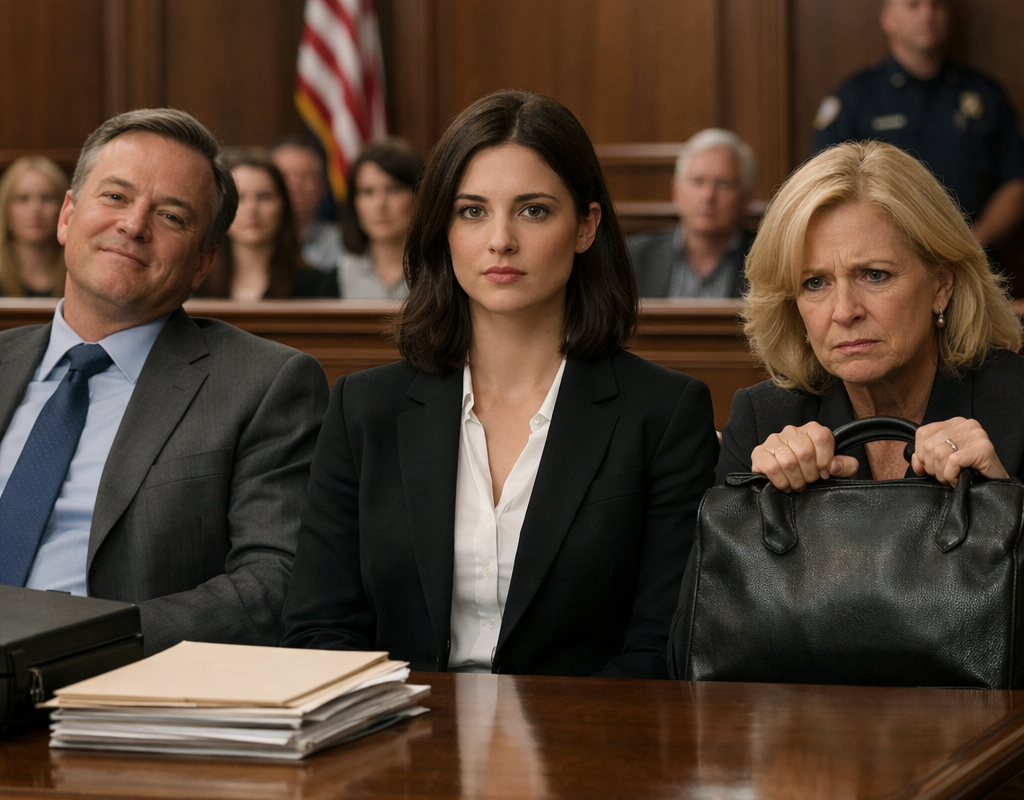
tls I walked into the courtroom beside my mom—my dad laughed and laughed until I said, “Your Honor, I’ll represent her.”
Your honor, I’ll defend her. The words left my mouth before my father could finish his sneer. For one suspended second, the courtroom went still, the kind of stillness that…
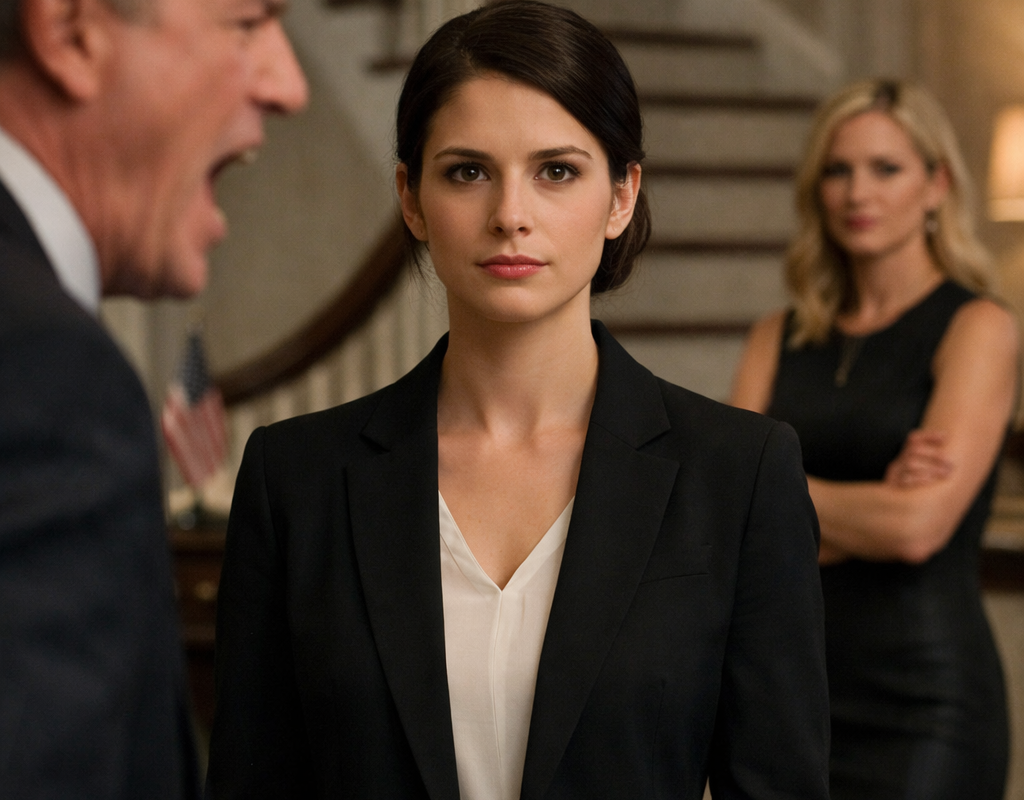
tls “We are only having your sister’s family this year!” Mom texted. I typed back: “Have a good time.” When I refused to invite them to a grand Thanksgiving party at my house, my father broke my window and grabbed me by the throat, saying, “You think you’re better than us?” My sister had kicked me in the ribs, adding, “Some people just need to remember their place.” But…
The message appeared on my screen on a quiet Monday afternoon, two weeks before Thanksgiving, right as sunlight spilled across the polished hardwood floors of my home office. Outside, beyond…

tls My sister forced a DNA test to prove I wasn’t really Dad’s daughter so she could take everything at the will reading—but when the lawyer opened the envelope, he didn’t even look at me… He turned to her mother, asked one quiet question, and the entire family realized the wrong daughter had been living a lie for thirty years
My sister forced a DNA test to prove I didn’t deserve the inheritance, but the results left her pale. I spent my entire childhood being told I didn’t belong. My…
svu On my 34th birthday, I sent a simple text to my family group chat saying I was sad that no one remembered. My mom’s reply? “We need space from you. Please don’t reach out anymore.” My sister didn’t even type a response — she just liked the message. So I blocked them both. And then I did something they never saw coming — I cut off every dollar they’d been living on for seven years. See, my family had been collecting monthly checks from a trust fund my late grandfather left behind. They treated the money like it appeared from nowhere. They never asked who approved it. They never said thank you. Because they never knew that every single penny required MY signature. The next morning: 99+ missed calls. But by then, it was already too late.
My birthday fell on a Tuesday, and by ten-fourteen that night my mother had texted me out of the family like I was junk mail. At ten-fifteen, my sister Megan…
End of content
No more pages to load